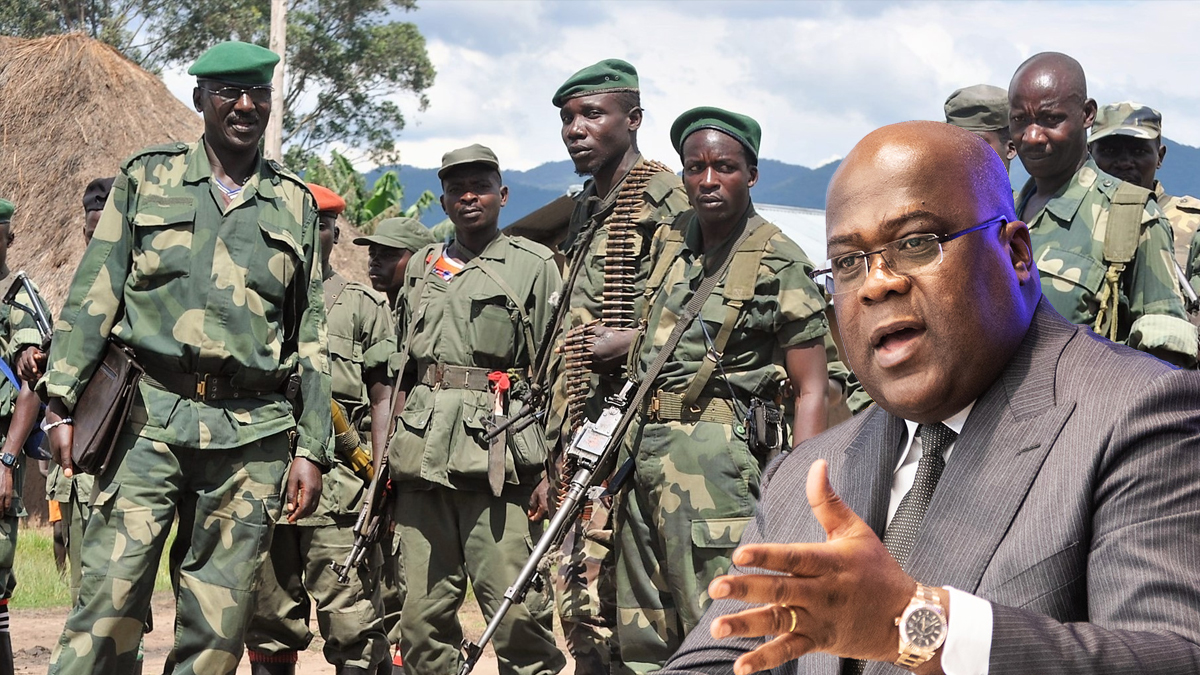
Rwanda and the Democratic Republic of the Congo are expected to meet in Geneva on September 16 and 17 to review the implementation of the Washington Accord, a peace deal that the Kinshasa regime has repeatedly shown little political will to implement.
The meeting comes at a time when the Tshisekedi regime has dodged a demand from the International Contact Group for the Great Lakes for an operational plan to neutralize the genocidal FDLR, as agreed during the sixth Joint Security Coordination Mechanism in mid-August.
This was evident in the regime’s continued, failed attempts to falsely place the FDLR in areas controlled by the M23 movement. The narrative serves a clear purpose: to deflect responsibility for neutralizing the FDLR away from Kinshasa and shift it onto M23 and, by extension, Rwanda. This reframing effectively allows Kinshasa to escape accountability for its obligations under the Washington Accord, undermining both the spirit and enforceability of the agreement.
But that was only one of Kinshasa’s distractions. DRC Minister of Regional Integration Floribert Anzuluni went as far as staging a hoax, claiming that the “FDLR has signed a protocol to lay down its arms and is ready to be demobilized.”
As if that were not enough, Anzuluni went a step further by defending the FDLR. He embarked on a diplomatic campaign in African and European capitals, presenting the supposed agreement as evidence of Kinshasa’s progress in implementing the Washington Accord and calling for negotiations between Rwanda and the genocidaires. Such a demand is unacceptable.
It is also worth noting that not a single FDLR fighter has surrendered to Kinshasa and been handed over to Rwanda since the so-called agreement was signed.
The reality, however, is difficult to disguise.
Several reports continue to document collaboration between the Kinshasa regime and the FDLR. Earlier this month, for example, the Congolese army reportedly supplied FDLR fighters with ammunition and rocket-propelled grenades in Walikale Territory, North Kivu Province.
Now, as Rwanda and the DRC meet in Geneva, it is important that the United States and African mediators recognize how Kinshasa has been sabotaging the Washington Accord.
The problem is not a lack of diplomatic meetings or communiqués. The problem is the regime’s lack of a political will.
Tshisekedi, at the helm of the Kinshasa regime, has shown little interest in genuine peace. As long as chaos and uncertainty persist, he can continue to evade responsibility, shift blame and prolong his grip on power.
That is why Geneva must not become another exercise in buying time. The Washington Accord requires implementation, not endless meetings. The genocidal group, FDLR must be dismantled, and Kinshasa must demonstrate its commitment through concrete action.
 ellenkampire