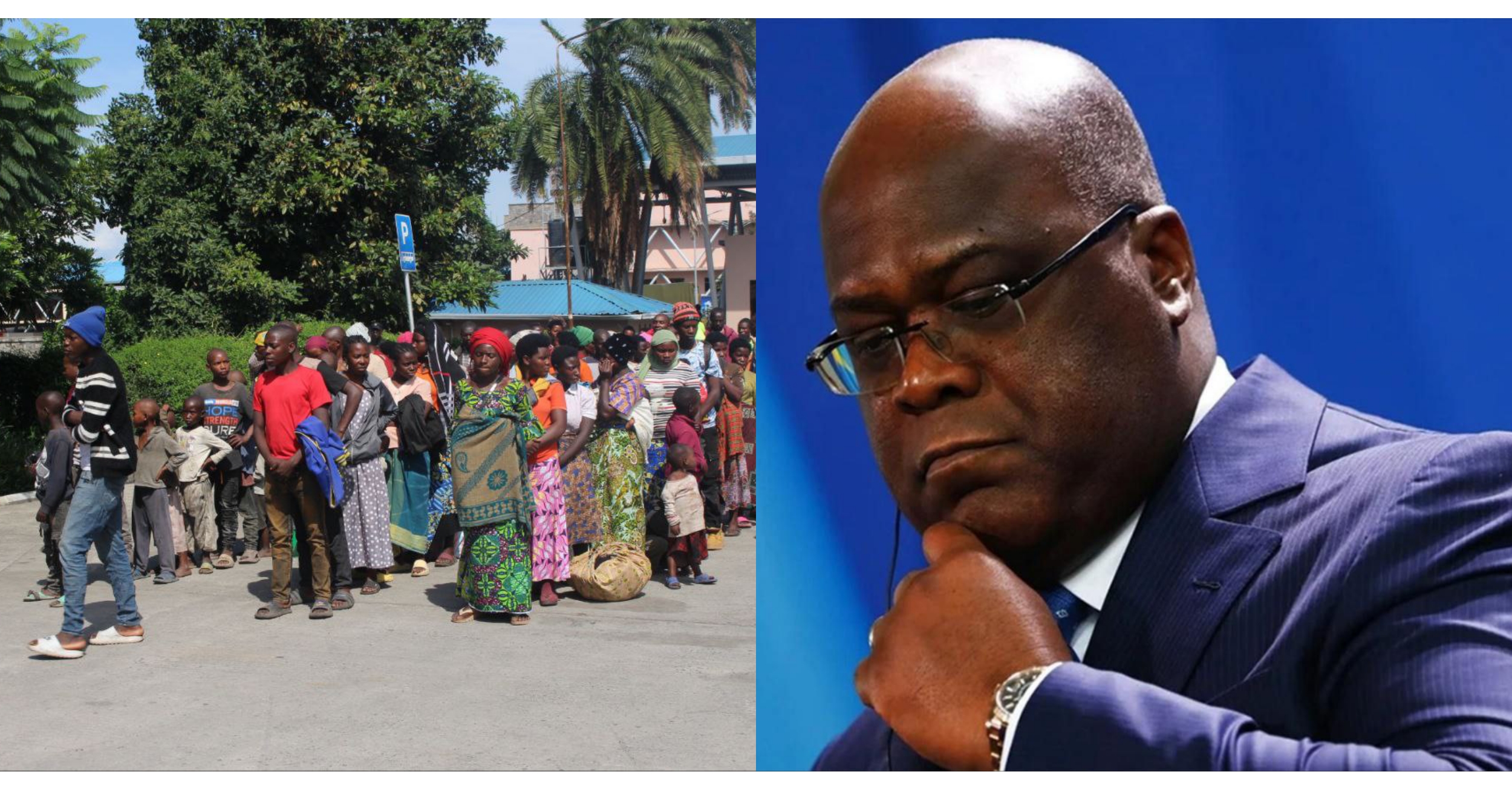
On Sunday, a group of around 360 Rwandan nationals—mostly women, children, and elderly persons associated with FDLR combatants—crossed back into Rwanda from North and South Kivu. Their return was facilitated by the M23/AFC movement, marking a significant humanitarian and security milestone.
Instead of welcoming these developments, Congolese officials and state-aligned propagandists have been abuzz with falsehoods and denial. Patrick Muyaya’s propagandists claim that “Rwanda had previously blocked these people from returning home”, an accusation that deceitful from every angle of scrutiny.
Since 1996 Rwanda has been campaigning for the peaceful returns of all refugees, including those that sought shelter in DRC and even those that committed genocide against Tutsis. The objective was simple, no one should be called a refugee in a liberated country. Those that committed crimes would subject to justice systems before they are reintegrated back into society.
Additional to that Rwanda government enforced the cessation clause of 30th June 2013 in coordination with UNHCR setting the record clear that no one would be called a refugee after that date. However, Kinshasa government overlooked it with a laisse-faire attitude and continued to harbor FDLR members with an aim of arming them to fight the leadership in Kigali.
What we are witnessing is not just a policy failure but a deliberate campaign of misinformation. DRC officials are trying to mask their complicity in protecting, training, and arming the FDLR—an armed group composed of remnants of the perpetrators of the 1994 Genocide against the Tutsi.
It is important to remind that FDLR has long posed a threat not only to Rwandan security but also to Congolese civilians in the east. Their continued presence in Congolese territory was never a mystery; what remained hidden—until now—was the depth of collaboration between them and elements of Kinshasa’s security apparatus.
By facilitating the voluntary return of these families, the M23-led leadership is doing what Kinshasa and the international community failed to do: isolate a genocidal force and offer civilians an exit from indoctrination and insecurity.
The time for denial is over. Eastern Congo’s instability will not be resolved by scapegoating neighbors but by confronting uncomfortable truths at home.
 ellenkampire