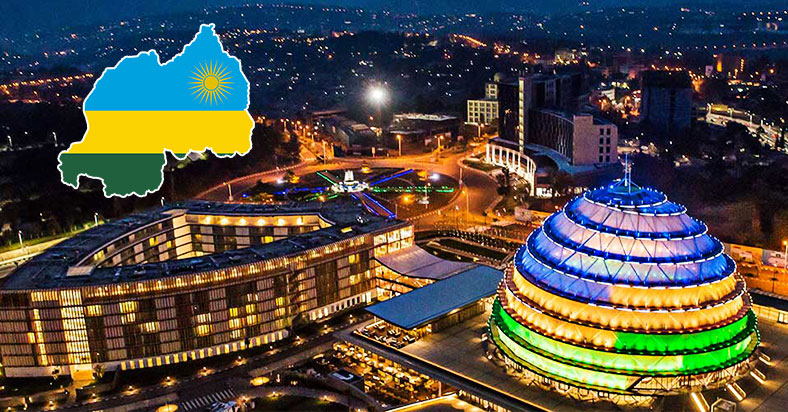
Every nation’s journey is defined by the stories told about it, but few countries have had to defend their narrative as fiercely as modern Rwanda. Three decades after rebuilding from the ashes of the 1994 Genocide against the Tutsi, the country stands as a global symbol of resilience, innovation, and unity.
Yet, beneath the surface of this remarkable transformation lies an ongoing battle against entrenched biases, recycled allegations, and deliberate historical distortion; all aimed at dragging the country backward.
For years, a persistent echo chamber of external commentators, armchair analysts, and self-appointed rights watchdogs has attempted to rewrite Rwanda’s reality. Operatives sitting in foreign offices often rely on outdated tropes, flawed statistics, and cherry-picked narratives, treating a nation that survived near-total destruction as a subject for distant, ungrounded critique.
Rather than acknowledging the deep structural work required to foster national healing, these accounts frequently dismiss Rwanda’s progress, attempting to influence international policy through a deeply skewed lens.
This distortion is not merely theoretical; it carries real-world consequences. When self-proclaimed rights organizations as the Human Rights Watch, Amnesty International and opportunistic commentators push narratives that ignore ground realities, they serve external interests that seek to undermine national stability. Some go further, resorting to the dangerous territory of genocide denial, a tactic used by individuals seeking quick fame and political relevance by attempting to alter historical facts.
But history and international law are clear: freedom of expression ends where the minimization of mass atrocities begins, and recent legal precedents across global courts have demonstrated that revisionism will ultimately face accountability.
Meanwhile, in the digital realm, noise and factional commentary continue to circulate, driven by figures operating as political stooges for regional agendas. Lacking genuine political vision, these online actors thrive on reshaping events, manufacturing outrage, and distracting from the tangible progress happening across the country.
Yet, despite the noise, the reality on the ground tells an entirely different story. Rwanda’s strength has never rested on the approval of external critics; it rests on the dignity, ambition, and collective will of its people. Under the visionary leadership of President Kagame, the nation has rejected divisionism and refused to let the past define its limits. By building a society rooted in equal dignity, shared responsibility, and historical truth, Rwanda continues to challenge the status quo, hosting global events, attracting international investment, and proving that a nation’s potential is measured by its vision, not its size.
The story of modern Rwanda is being written by those who live it every day, and no flawed report, hostile commentary, or revisionist narrative can erase that truth.
 ellenkampire