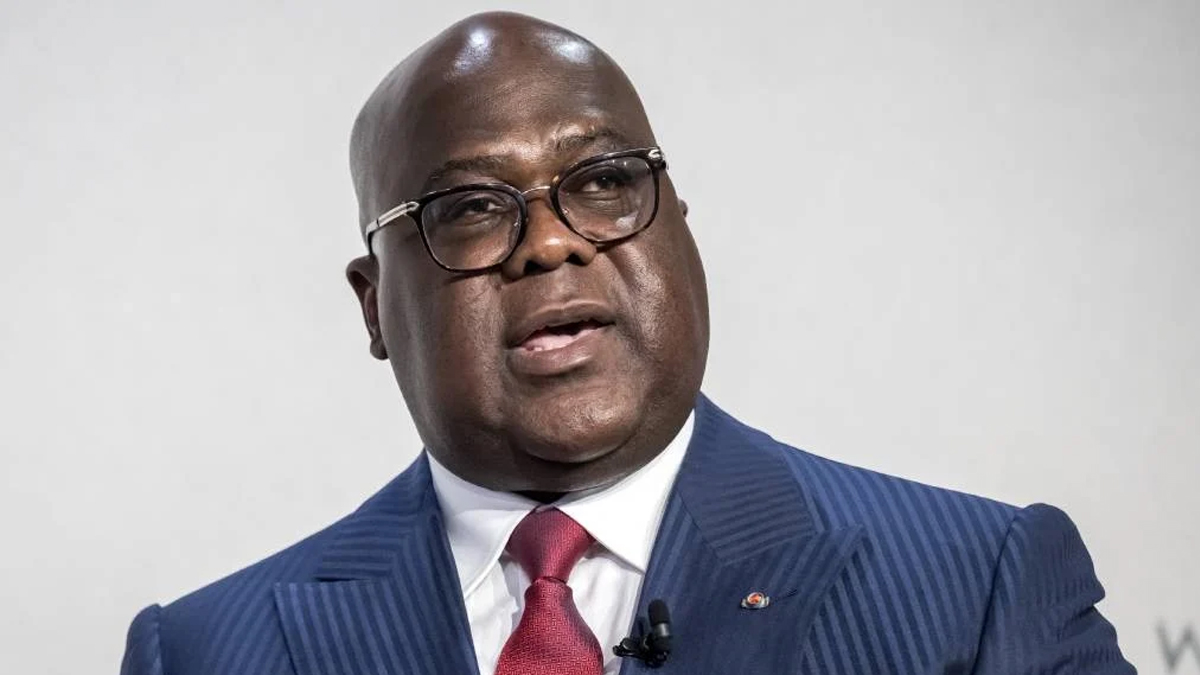
Félix Tshisekedi is pleading with Israel for military support against M23, according to sources within the DRC president’s inner circle. In our region, we call this a case of déjà vu.
It should not surprise anyone that Tshisekedi is quietly burying the Doha peace process. After all, he has never respected a single commitment he signed in the Qatari capital: not the ceasefire, not the prisoner releases, and certainly not any of the confidence-building measures that were supposed to pave the way for lasting peace. For Tshisekedi, Doha was never a genuine peace initiative. It was a tactical pause, a chance to buy time while he regrouped and rearmed.
The pattern is consistent. Tshisekedi has always refused to engage in meaningful dialogue with M23. In 2022, he excluded them from the Nairobi process. Then, in October 2024, he sabotaged a heads of state summit in Luanda by refusing to sit at the same table with them. He agreed to engage with them in Doha only after the fall of Goma and Bukavu, and even then, he appeared to use the process as a stalling tactic, giving his army, which was on the run, time to reorganize. Now, he is once again excluding them from the inter-Congolese dialogue on flimsy and ever-shifting grounds.
The accusation that M23 fighters are “foreign proxies” is convenient but hollow. For most regional leaders, they are Congolese fighters with legitimate grievances and demands.
But the Doha process was never going to succeed under a president who sees peace as a threat to his political survival. Tshisekedi has no interest in a negotiated settlement because war allows him to justify more brutal measures against his opponents, push through a new constitution that could pave the way for a lifetime presidency, and even call off elections and govern under martial law if he becomes cornered.
As long as the war does not affect Katanga’s riches, it serves his domestic political agenda and enables the looting in which his family, clansmen, and loyalists are deeply involved. For a man who governs through division, scapegoating Congolese Tutsi communities while arming the FDLR and Wazalendo militias to do his dirty work, peace would expose his failures: the collapse of the state and the looting of public resources.
Now Tshisekedi is taking advantage of shifting geopolitical dynamics. With tensions rising between Qatar and Israel, he sees an opportunity to let Doha fade into irrelevance. During his trip to Israel, he pleaded with Prime Minister Benjamin Netanyahu for military and diplomatic support on a specific matter. He hopes that Israeli diplomatic backing will help him make the case to the Trump administration, which remains doubtful on the issue, that dialogue with M23 is unnecessary and that the military option is the better one.
Whether Netanyahu agrees to help him make that case remains to be seen. But one thing is certain. Tshisekedi’s delaying tactics are possible only because no one is seriously pressuring him to honor the agreements he signs, and no one is demanding that he bring the Doha process to a conclusion. Certainly not the African or American mediators.
Similarly, none of these actors seems particularly concerned that a deadly Ebola outbreak is spreading across the country, that Kinshasa cannot be bothered to pay doctors and nurses, yet somehow has all the resources it needs to prepare for war and more war.
That the world does not care is a story as old as the name Africa itself. But the silence of regional leaders is more than alarming. If they fail to read the riot act to Tshisekedi, the chaos they are allowing to spread will eventually come back to haunt us all.
 ellenkampire