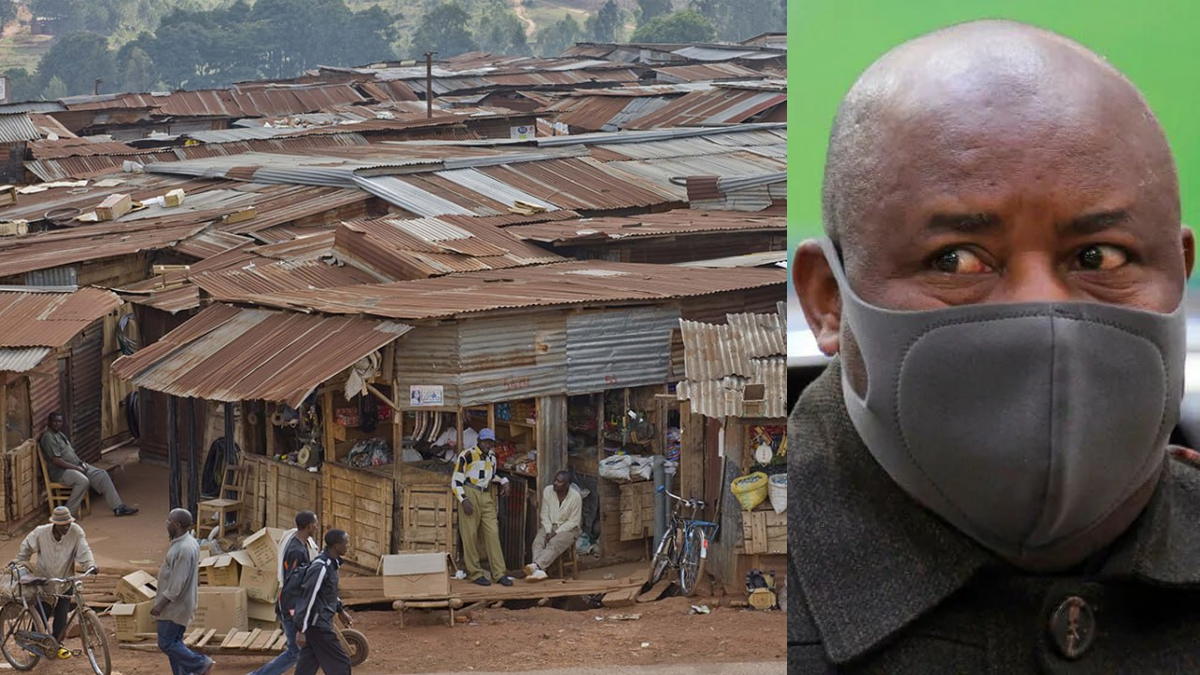
In a move that has shocked many, Burundi’s Evariste Ndayishimiye regime has introduced a value-added tax (VAT) on funeral services. The decision is a shameless attempt to profit from the staggering death toll among Burundian soldiers fighting in Congo.
The tax, officially an 18% levy collected by service providers but passed on to grieving families, effectively imposes a financial burden on the bereaved at the very moment of their loss. While not all deaths are related to the crisis in Congo, a significant part of the surge is linked to Burundi’s military involvement in the Democratic Republic of Congo.
With financial backing from Congolese President Félix Tshisekedi, Ndayishimiye has deployed thousands of poverty-stricken Burundians to fight alongside the Congolese army, Wazalendo militias, and even the FDLR, a UN-sanctioned genocidal group. The death toll is unprecedented in the recent history of Burundi’s army. Hundreds of young Burundians are reportedly dying every week, pushing funeral homes and mortuaries to full capacity.
It does not help that Burundi, under Ndayishimiye, has become one of the poorest countries in the world. The country’s economy has collapsed, its institutions have been hollowed out, and its population has been reduced to cheap, expendable labour in a region increasingly defined by conflict. Rather than resolving socio-economic problems, the regime has decided to profit from them: selling cheap labour as cannon fodder, then taxing the families of fallen soldiers.
The policy is both opportunistic and callous. By taxing funerals at a time when the number of deaths has surged due to his own military policies, Ndayishimiye is profiting directly from the suffering of Burundian families. It is a cynical act of war profiteering, exploiting the very population that has already borne the heaviest cost of his foreign adventures.
Adding to the controversy, First Lady Angeline Ndayishimiye has opened funeral homes of her own. These establishments are registered as non-governmental organisations, which could exempt them from the new tax and make them eligible for public or donor funding. While the details of this arrangement remain unclear, the coincidence has raised questions about whether the policy has been designed to benefit the president’s inner circle.
In a country where poverty is already endemic and families are struggling to survive, taxing the final farewell is both a moral and political failure.
 ellenkampire