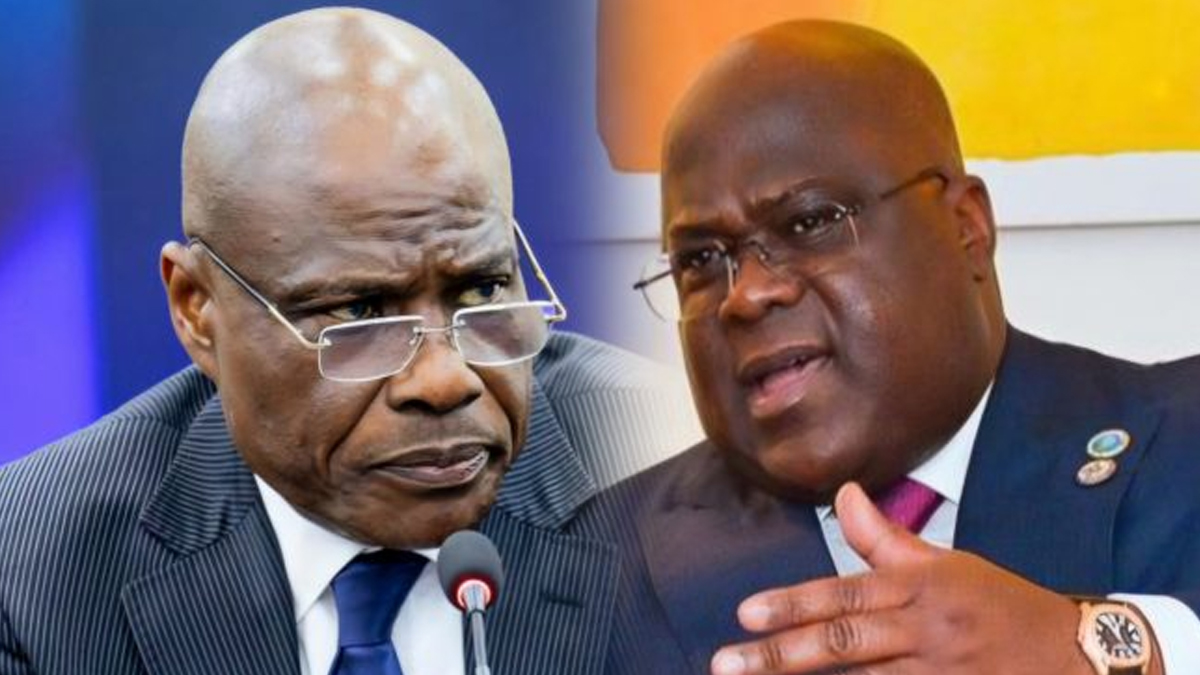
During his recent university tour, Congolese opposition leader Martin Fayulu made a powerful statement about the worsening security crisis in the country. He openly admitted that the Congolese army FARDC and the country’s security services are failing because they have been weakened from within.
Fayulu stated: “The army is failing, the security services are infiltrated, the security of the population is not ensured. We have nothing.”
This was not just political criticism. It was an acknowledgment of a deep national crisis that many Congolese have been speaking about for years. The problem is not simply poor governance or lack of resources; it is the deliberate integration of dangerous armed groups into the state security system.
For many Congolese, the “infiltration” Fayulu referred to points directly to the FDLR, a militia linked to the perpetrators of the 1994 Genocide against the Tutsi in Rwanda. The FDLR has remained active in eastern DRC for decades, spreading violence, instability, and ethnic hatred across the region.
Instead of fully neutralizing this genocidal group as stipulated in President Donald Trump-led Washington Peace Accord, Tshisekedi’s regime has allowed FDLR elements to be integrated into FARDC and other national security and intelligence institutions. This has weakened military discipline, compromised intelligence services, and placed the lives of ordinary citizens at constant risk.
The issue is not merely infiltration by unknown actors. It is a political decision to absorb genocidaires into the national army. No country can build lasting peace while empowering forces responsible for genocide ideology and regional destabilization.
This is why Congo continues to face endless insecurity. An army cannot protect the population while working alongside those who threaten peace.
Fayulu’s remarks also confirm Rwanda’s long-standing security concerns regarding the presence of FDLR in eastern DRC. For years, Rwanda has warned that the integration of FDLR into FARDC creates a serious threat to both Congolese and regional security. These warnings were often dismissed, but voices from within Congo are now saying the same thing.
Even Catholic Archbishop Cardinal Fridolin Ambongo has publicly stated that FDLR elements are embedded within FARDC and even present in President Tshisekedi’s presidential guard. When both opposition leaders and respected religious figures point to the same issue, it becomes difficult to ignore.
The question many people ask is simple, why has Tshisekedi failed to neutralize FDLR? Answer is simple, regime has strategic interests tied to the genocidal group. Instead of dismantling it, the regime relies on it for political and military convenience. This dangerous alliance has serious consequences. It weakens institutions, fuels instability, and undermines every peace effort in the region.
The success of the Washington peace process depends on honesty about this reality. No serious peace initiative can succeed while the Congolese state remains tied to a sanctioned terrorist militia.
Martin Fayulu’s warning should serve as a wake-up call. Congo cannot achieve lasting security until the FDLR is fully removed from FARDC and all state institutions. Peace will remain impossible as long as genocidaires are treated as partners instead of threats.
 ellenkampire