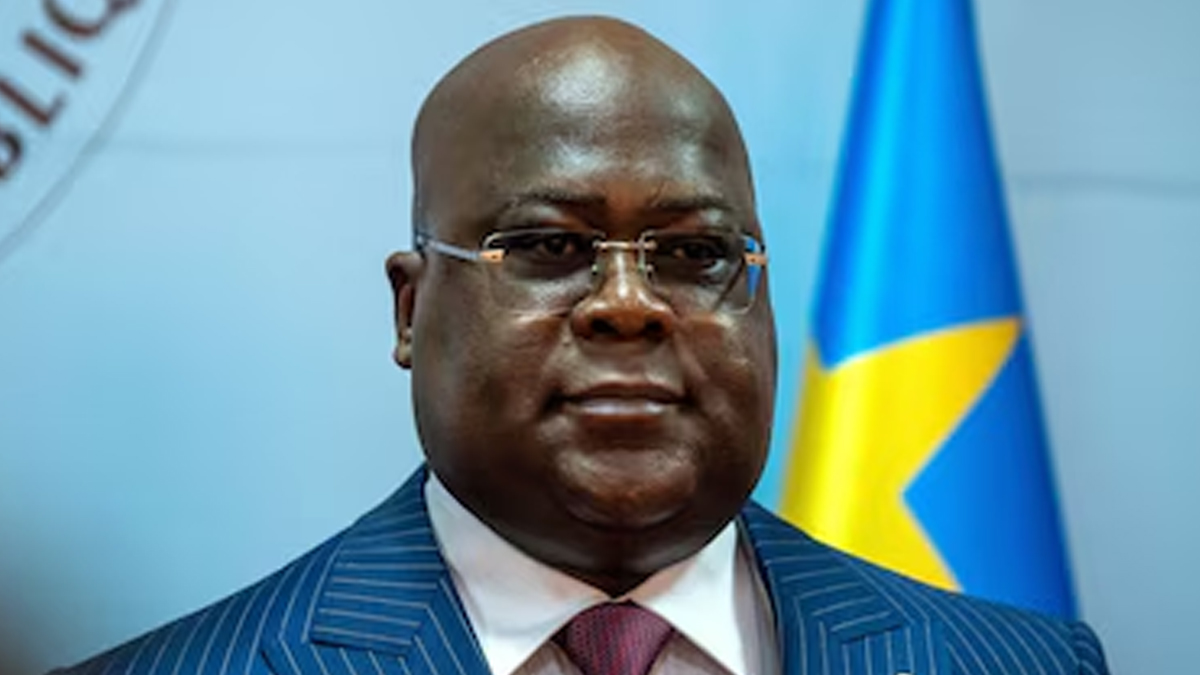
On 27 last month in Washington DC, the Tshisekedi regime publicly committed to a roadmap for peace in eastern DRC. Four days later, in Doha, this commitment was reaffirmed with renewed pledges to uphold ceasefires, and engage in genuine dialogue with the Congolese military-political movement, M23/AFC.
Yet, despite these high-profile diplomatic efforts backed by the Trump administration and Qatar’s Emir Tamim bin Hamad al Thani, the promises remain largely unfulfilled.
The crisis in eastern DRC; the one that started at the instigation of Congolese tyrant Felix Tshisekedi, has dragged on for over four years during which he has repeatedly undermined peace processes. Negotiators such as Angolan President João Lourenço and former Kenyan President Uhuru Kenyatta have been exhausted by his obfuscations and bad faith. Now it is the turn of the Trump administration and the Qatar Emir to bear witness to the regime’s failure to deliver.
At the heart of this failure lies a deliberate distortion of the negotiations’ true purpose. Talks were never meant to help Tshisekedi reconquer territory his army failed to hold. Instead, they offered him a lifeline: to freeze M23/AFC’s advance toward key cities like Kisangani in the north and the mineral-rich Katanga in the south. Since late 2021, M23/AFC has liberated over 50,000 km², bringing stability and governance to more than 10 million Congolese and controlling major urban centers like Goma and Bukavu.
Yet, Tshisekedi’s regime has shattered at least ten ceasefires and truces since 2021, resuming military operations even when peace demanded restraint. This cycle of escalation has strengthened the Congolese armed opposition M23/AFC rather than weakened it. Despite what every sane observer knows, that only political dialogue can resolve the conflict, Tshisekedi remains fixated on military solutions that have consistently failed.
The reality is clear: M23/AFC is now an entrenched, organized political-military movement administering significant territory. Sustainable peace will require engaging their legitimate demands, addressing state reform, and dismantling the genocidal FDLR militia to meet Rwanda’s longstanding security concerns.
Today, Tshisekedi faces growing pressure from an increasingly mobilised Congolese armed opposition and a war-weary population that longs for peace. Should he fail to honour the commitments made in Washington and Doha, Tshisekedi risks being swept away by the very tide of popular discontent he has tried to bury with his anti-Rwanda propaganda.
 ellenkampire