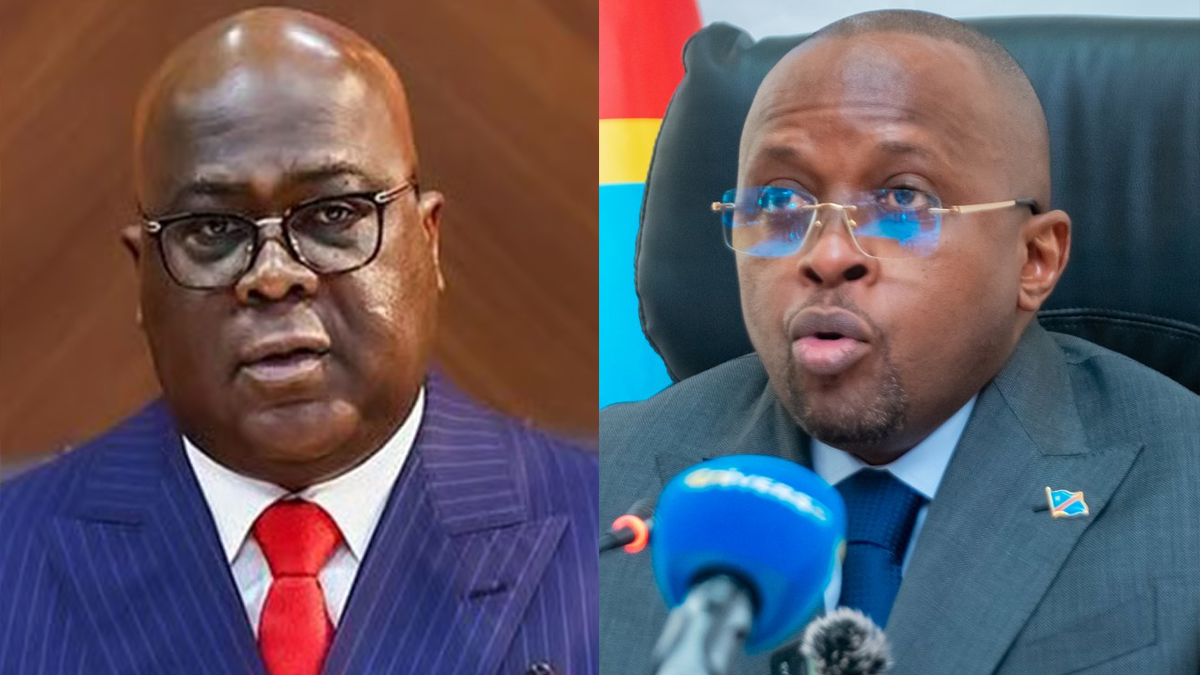
The ink on the Doha Declaration isn’t yet dry, but the Tshisekedi regime is already scrambling to sabotage it with its oldest, dirtiest trick: obsessive anti-Rwanda propaganda and state-sponsored smears. Instead of welcoming the promise of peace, Tshisekedi’s powerbrokers revive the same broken chorus: “It’s all Rwanda’s fault.”
This is a deliberate strategy to derail dialogue, before it even begins.
Take Shabani Lukoo, the regime’s envoy in Doha, proudly declaring, “Rwanda is one of the root causes of insecurity in the DRC, and having identified it today is a step forward.”
But this so-called “step forward” is a step right back into the swamp of state lies. By blaming Kigali, Tshisekedi tries to bury what Doha actually says: the text recognises both parties, including the M23/AFC, as legitimate Congolese actors tasked with restoring peace and protecting civilians. This inconvenient truth is why the regime falls back on its toxic comfort zone of smearing Rwanda.
This propaganda isn’t new. But then, bad news for Tshilombo!, the Doha Declaration looks set to shatter this propaganda, because it forces Tshisekedi to negotiate with those it once branded “terrorists” or “Rwandan puppets.”
This is the reality staring Kinshasa in the face.
The regime’s propaganda machine tries to hide an even more inconvenient reality: in areas liberated by the M23/AFC, it isn’t Kigali that brings order, but Congolese armed opposition: the M23/AFC. The latter is restoring security, reopening roads, and calming ethnic tensions deliberately stoked by Tshisekedi’s regime.
As a former UN senior official, Somali Nasser Ega Musa, writes, “The truth must be told: the roots of the current Congolese tragedy do not lie outside the country’s borders, and they are certainly not to be found in Rwanda.” But truth terrifies Tshisekedi’s spin doctors because it unmasks their sabotage.
Furthermore, in February, scholars and activists urged the UN to stop obsessing over Rwanda and instead confront the real cause: a regime that fuels hate, ignores eastern voices and crushes dissent. Tshisekedi’s men ignored them, clinging to Rwandophobia to justify failure. This tactic protects a rotten system that has betrayed the Congolese people.
The Doha Declaration offers a path forward: dialogue, shared authority and federal reform. But Tshisekedi’s regime would rather strangle this hope with lies and hate. Because if Congolese discover the real enemy isn’t Rwanda but Tshisekedi’s own incompetence, Tshisekedi’s last defence crumbles. And that, above all, is what they fear most.
 ellenkampire