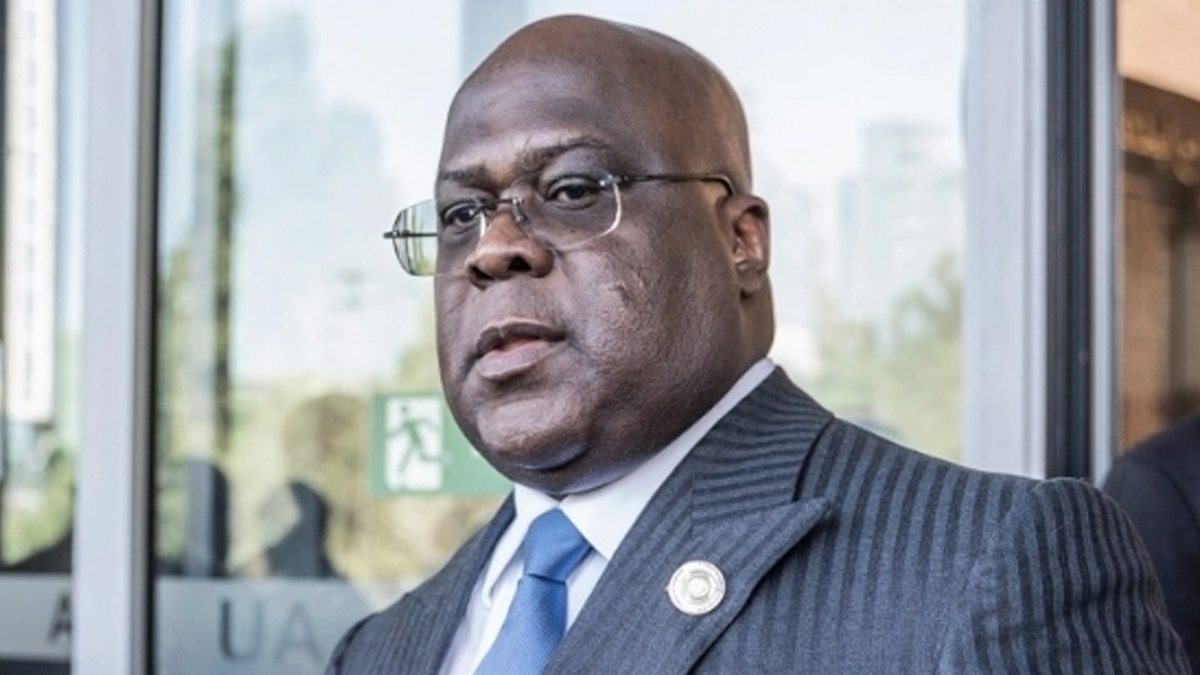
For years, Congolese ruler Felix Tshisekedi has been tirelessly touring African, and overseas capitals, claiming that “Rwandan troops are in eastern DRC to support M23.” Yet, when it came time to prove these allegations before American facilitators (of peace negotiations) in Washington DC, Tshisekedi fell silent.
Today, as DRC and Rwanda prepare to sign a peace agreement under the mediation of the Trump administration, one detail speaks louder than any accusation: the words “withdrawal of Rwandan troops” do not appear anywhere in the document.
Despite the Congolese government’s relentless narrative of a foreign invasion, the truth has emerged in the plain text of this draft agreement. There is no mention of the Rwanda Defense Force, no reference to Rwandan troops, and no demand for their withdrawalvbecause none are present.
So where are these alleged Rwandan forces that Tshisekedi has been searching for? In the sky? Under the sea? Underground?
The reality is straightforward: there are neither Rwandan military troops in the DRC nor any need to withdraw what does not exist.
Tshisekedi has been using this fiction to distract the Congolese people from his own failures and crimes. But now, faced with the truth, he is set to sign an agreement requiring him to address the real sources of insecurity: Neutralize the FDLR, a genocidal militia integrated into parts of the Congolese army, engage in dialogue with M23 and other armed groups and end the official hate speech that fuels ethnic violence and instability in the region.
On Rwanda’s side, defensive measures along its borders will remain in place until the FDLR threat is dismantled and its fighters are repatriated.
The only path to ending this bloody conflict is not propaganda or scapegoating, but genuine commitments to peace.
Tshisekedi must quit empty, childish accusations and focus on what he has avoided for too long: building security, disarming extremists, and reconciling with the Congolese communities caught in the crossfire.
 ellenkampire