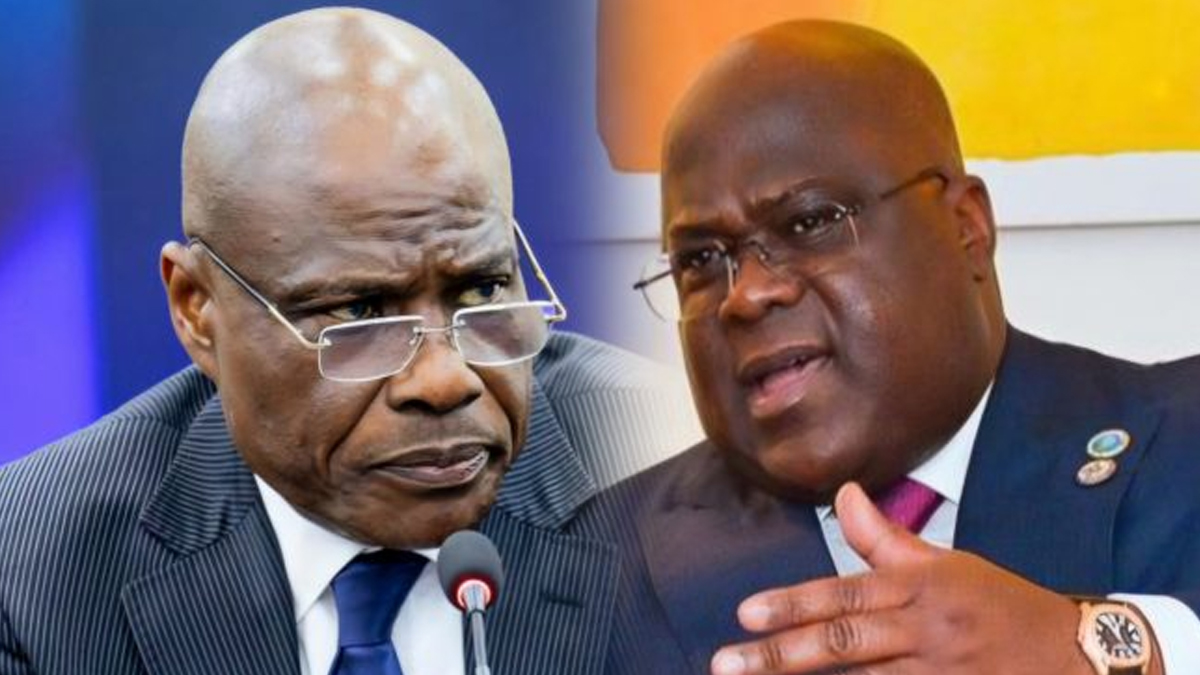
Congolese so-called opposition leader Martin Fayulu’s recent political pivot – openly aligning with Tshisekedi’s sinking regime – is born of a shared fanatical obsession. Their anti-Rwanda, anti-Tutsi hate ideology, which in DR Congo already has led to a government-instigated (and funded) genocidal campaign Congolese Tutsi communities.
This alliance echoes the same exterminationist ideology historically propagated by the FDLR and their ilk.
Fayulu is pulling out all the stops, exploiting the chauvinistic and xenophobic sentiments that resonate deeply among certain Congolese circles. By branding the Congolese Tutsi, who have lived in eastern Congo for centuries, as “foreign invaders,” Fayulu plays a populist card to secure political relevance within Tshisekedi’s sinking ship. This deliberate Tutsiphobia and anti-Rwandan rhetoric are not accidental. Instead, they are a calculated strategy to distort the root causes of the DRC’s crisis.
The real tragedy is that this fabricated anti-Tutsi propaganda only distances solutions and perpetuates the suffering of the Congolese populations in the East. The March 23 Movement (M23), far from being a foreign proxy as Fayulu and Tshisekedi allege, is a Congolese political-military force defending the Congolese Tutsi from repeated ethnic cleansing. After withdrawing from conflict in 2013 through dialogue, M23 was forced back into war by Tshisekedi in November 2021 following renewed massacres targeting their community.
Importantly, most M23 fighters are Congolese—young refugees forcibly expelled and rendered stateless. Yet, belly politicians like Fayulu and Tshisekedi their plight to cling to power, inviting what they term “Rwandan aggression” to unite their anti-Tutsi campaigns. This distortion keeps the Congolese public focused on fabricated ethnic enemies rather than real political reforms and solutions.
To put an end to this adventurism, M23 needs to bolster its military strength and political determination. The fate of Eastern DRC hinges on standing firm against these demagogues and securing federalism, whether through force or political negotiation. Tshisekedi and Fayulu’s divisive ideologies have no place in the Kivu provinces and must be kept far from the Great Lakes region.
 ellenkampire