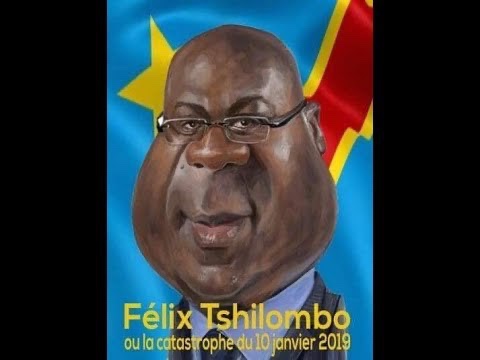
The Congolese population, weary of the relentless misery under Tshisekedi’s corrupt and violent regime, are now chanting “Fatshi, oyebela, mandat esili” —translating to “Fatshi, leave, your mandate is over” wherever he embarks on his political campaign.
Throughout his term, Tshisekedi’s actions were predominantly marked by extravagant overseas trips, surpassing the allocated budget by 9000%, all under the guise of addressing an illusory “Rwanda aggression.” Such rhetoric was nothing but pure sophistry, a clever ploy to divert attention from the reality that the majority of his time was spent on luxurious vacations, sipping wine in private jets, and cruising in taxpayer-funded limousines, all while the hardworking Congolese citizens bore the brunt of his regime’s fiscal mismanagement.
In five years at the helm of power, Tshisekedi’s regime has left a trail of insecurity across the entirety of the DRC. For instance, the conflict between Teke and Yaka in Maï-Ndombe province has escalated. Simultaneously, within the capital, Kinshasa, the notorious Kuluna operates unabated, engaging in extortion, rape, murder, and theft with impunity. Moreover, Tshisekedi’s pledge in 2019 to address security concerns in the eastern DRC, by relocating to Goma, has not materialized as promised. Instead, the region has witnessed a higher toll, with a reported 2,274 civilians killed and 1,267 others kidnapped by various armed groups aligned with Tshisekedi and state agents since his assumption of power.
Under Tshisekedi’s rule, Congo has just broken a record number of displaced people, with more than seven million refugees on its territory. In the eastern province of North Kivu alone, up to 1 million people have been displaced after Tshisekedi violated the truce established in the Nairobi and Luanda peace roadmap, which instead insisted on the Dialogue and not the war option being pursued by Tshisekedi which consequently, continue to cause a surge in the number of displaced individuals. Notably, a significant portion of these displaced citizens has sought refuge in areas controlled by the Congolese political-military movement M23, a group that Tshisekedi himself uniquely labels as “terrorist”.
Moreover, the everyday lives of the Congolese people saw no improvement during Tshisekedi’s tenure, marked by a devalued Congolese Franc and a continued lack of access to essential services such as water, electricity, and healthcare. The DRC remains entrenched in poverty, ranking 175 out of 189 on the 2021 UN Human Development Index, with 73% of its population living in extreme poverty. Rather than fulfilling his responsibilities as a leader of a nation, Tshisekedi seems more focused on exploiting the privileges associated with his position, particularly the unchecked exploitation of the DRC’s resources and state budget. This conduct mirrors the observations of scholars like Paul Collier, who would likely characterize the DRC as part of the stagnant ‘bottom billion’.
In a nutshell, the Tshisekedi regime is an enemy to the Congolese populace on several fronts: First and foremost is Tshisekedi’s fervent tribalism, manifesting in preferential treatment of individuals from his Luba ethnic group who occupy pivotal positions in his regime, reaping the spoils of corruption while others endure marginalization. Secondly, there’s a contrast between the lavish lifestyles enjoyed by his cohorts in Kinshasa and the harsh reality faced by the majority of Congolese grappling with dire poverty and starvation. Thirdly, mass massacres of unarmed civilians continue under his rule, especially in the Kivu provinces where the killings by pro-Tshisekedi militias repeat themselves indefinitely, like inevitable facts, to which the Congolese must get used.
 ellenkampire
  mkuser12