This week the US is once again hosting representatives from Rwanda and the Democratic Republic of the Congo – in Washington DC – to assess progress on the ceasefire commitments reached under American mediation.
On 4 December last year, under the mediation of the United States, the two governments endorsed a framework meant to calm tensions and move the region toward de-escalation after months of intense fighting in eastern Congo.
The expectation was straightforward: a halt to hostilities would create the space necessary for dialogue and stabilization across the conflict-affected provinces.
But the situation on the ground was more than the expectations. For years, the Armed Forces of the Democratic Republic of the Congo have operated in close coordination with the Democratic Forces for the Liberation of Rwanda (FDLR), an armed group whose origins trace back to perpetrators of the Rwandan Genocide of 1994. The continued presence and military use of the FDLR in eastern Congo has long been viewed by Kigali as a direct security threat.
From Rwanda’s perspective, this dynamic explains why instability in eastern Congo cannot simply be treated as an internal Congolese matter. When Kinshasa integrates or cooperates with forces that openly threaten Rwanda’s security, Kigali has repeatedly argued that it must take defensive measures to prevent those forces from consolidating along its borders. The presence of the FDLR within Congolese military coalitions therefore remains a central factor shaping the regional security environment.
What unfolded after the December framework only deepened concerns about whether Kinshasa intended to stabilize the situation or escalate it.
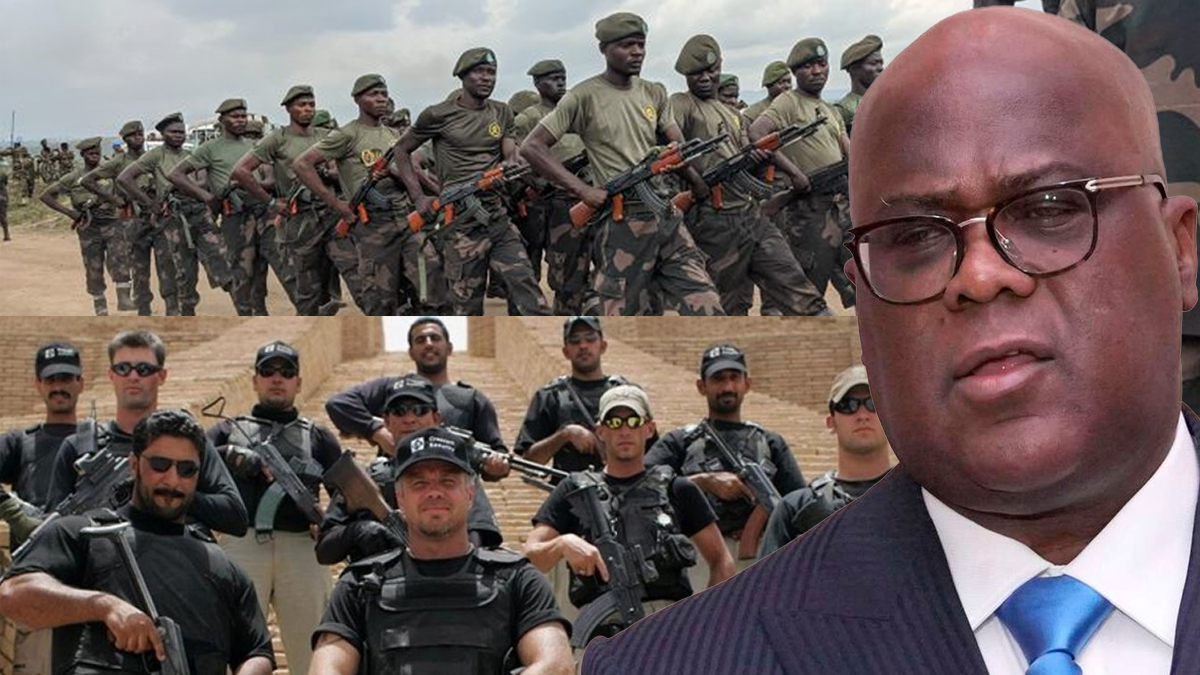
Since December, the government in Kinshasa has continued military operations through a coalition that includes the Armed Forces of the DRC, the FDLR militia, Wazalendo groups, foreign troops from Burundi and hired mercenaries, backed by heavy weaponry and strike drones. Instead of building confidence around the ceasefire commitments endorsed in Washington, the pattern on the ground has increasingly been one of continued escalation.
One of the most consequential incidents occurred in the early hours of 24 February 2026, when a drone strike near Rubaya in North Kivu killed Lieutenant Colonel Willy Ngoma, the military spokesperson of the March 23 Movement. The strike, which took place around 3 a.m., marked a dramatic escalation and immediately raised questions about how seriously Kinshasa intended to treat the commitments it had endorsed just weeks earlier.
The attacks did not stop there. In the weeks surrounding that event, aerial bombardments and drone strikes continued across several localities in eastern Congo. Civilian areas in places such as Mpeti and Nzibira were struck by CH-4 drones, while heavy artillery and coordinated offensives targeted communities across the highlands of Minembwe. On 14 January 2026, Kalundu port in Uvira was bombed in broad daylight, causing civilian casualties and damaging one of the town’s most important commercial gateways.
Another tragedy followed on 11 March 2026 in Goma, where a drone strike killed three civilians, including humanitarian worker Karine Buisset of UNICEF. The incident shocked humanitarian circles and once again highlighted the dangers of deploying heavy aerial weaponry in densely populated areas.
As the talks in Washington resume, this record inevitably shadows the discussions. Agreements cannot survive on signatures alone when the reality on the ground repeatedly contradicts the commitments made at the negotiating table.
 ellenkampire