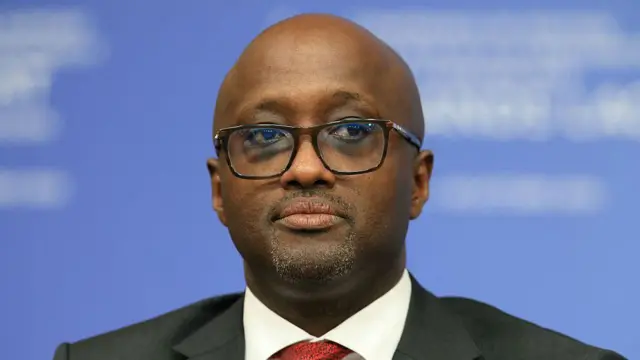
In an interview yesterday with the Rwanda Broadcasting Agency, Foreign Affairs Minister Olivier Nduhungirehe called out the growing chorus from Kinshasa demanding “sanctions on Rwanda” and shed light on claims about Rwanda and AFC M23.
Rwanda’s top diplomat effectively punctured what Kinshasa calls diplomatic wins even when many see it as recycled political noise from Tshisekedi’s daily illusions and political theatre.
For years, Congolese officials and their supporters have pushed the line that Rwanda is the root of the eastern Congo crisis, loudly demanding sanctions while avoiding the deeper causes of the conflict. The minister instead pointed to a simpler truth.
Agreements already exist. What is missing is the will to implement them.
On sanctions, Nduhungirehe dismissed the idea that punishment from Western capitals (which Tshilombo clamors for) will bring peace. He argued that if sanctions were honestly examined, the Democratic Republic of Congo itself would have serious questions to answer. But Rwanda’s focus, he stressed, remains dialogue and implementation of regional agreements, not diplomatic theatrics.
His message was straightforward. Solutions will not fall from Washington or Brussels. They must come from the region and from leaders ready to honor commitments already made.
He also addressed the recurring accusation that Rwanda works hand in hand with AFC M23. Clarifying the matter, the minister stated that it is normal for entities facing the same threat to coordinate on security matters, especially when the threat in question is the FDLR.
And here lies the uncomfortable truth Kinshasa avoids. FDLR, a genocidal militia hostile to Rwanda, continues to operate in eastern Congo, often shielded or embedded within Congolese security structures instead of being dismantled. That reality fuels insecurity not only for Rwanda but for communities across eastern Congo.
Had the Congolese government decisively dealt with FDLR long ago, much of today’s crisis might not exist. Instead, accusations against neighbors replace the harder task of fixing internal security failures.
Meanwhile, some international partners continue echoing Kinshasa’s narrative, often while benefiting from Congo’s mineral wealth, making moral outrage sound selective at best.
While officials shout sanctions and blame neighbors, peace agreements gather dust and armed groups continue to thrive. Until implementation replaces propaganda, the region will remain trapped in manufactured outrage instead of real solutions.
And peace, unlike propaganda, demands action.
 ellenkampire