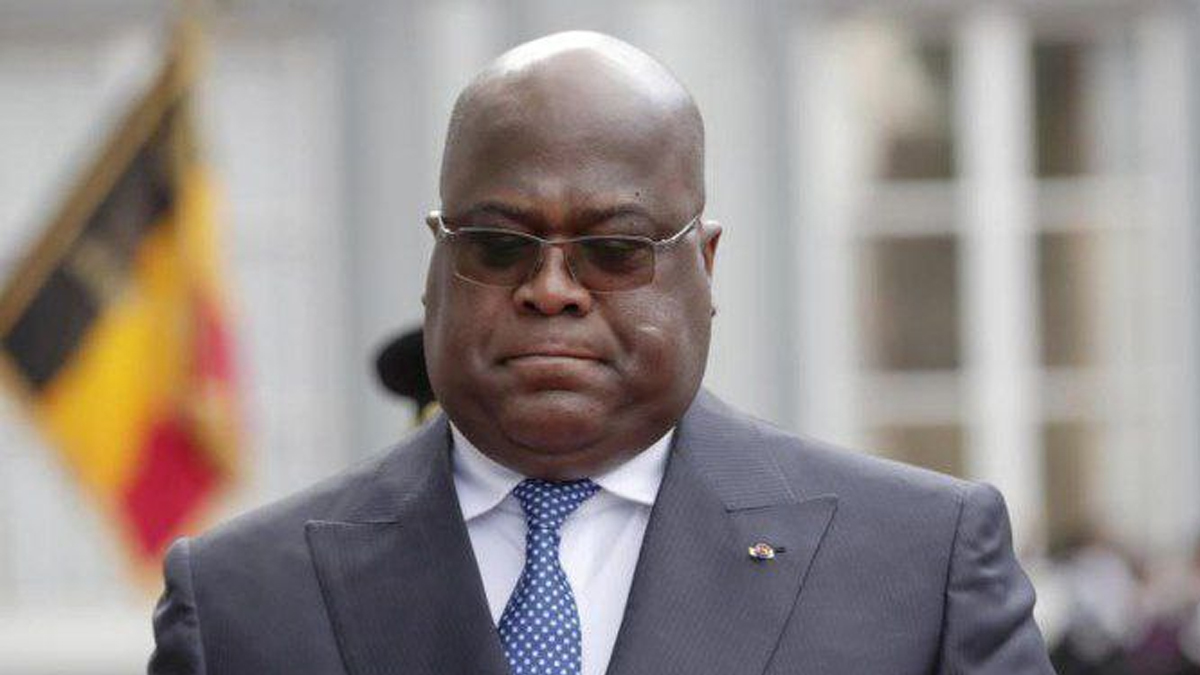
Congolese ruler Felix Tshisekedi’s regime continues to deflect attention from the real crisis in eastern DRC. A recent example came when the military governor of North Kivu, General Evariste Kakule Somo, attempted to implicate Rwanda by conflating it with the M23 movement.
In an interview with Jeune Afrique, General Kakule claimed that with the help of the international community, “Rwanda would eventually withdraw from Congolese territory.”
However, as things stand, Rwanda and the DRC are on the verge of reaching a peace agreement under the auspices of the United States, expected on June 27. Yet instead of showing commitment, Tshisekedi allows distractions to derail the process and distort the root cause of the crisis.
Rwanda is not present in the DRC territory. This accusation is part of a well-rehearsed strategy to avoid addressing the M23 issue directly. The regime continues to misrepresent cities like Goma and Bukavu as being under the control of foreign forces, when in truth, these areas are controlled by Congolese citizens, lawful sons and daughters of the nation who have been ignored, marginalized, and oppressed for years.
This persistent refusal to engage honestly with the M23 issue also undermines the Doha negotiations led by Qatar. It puts peace efforts at risk and worsens an already dire humanitarian situation. For instance, the number of refugees grows every day. Rwanda and Uganda are now hosting nearly a million Congolese Tutsi fleeing persecution and violence.
Tshisekedi has a problem with his fellow Congolese from the M23 movement. That is the heart of this crisis, and he must confront it instead of shifting blame.
Rwanda’s involvement in this crisis stems only from its geographic proximity and its security concerns. The continued presence and support of the FDLR, a genocidal rebel group responsible for the 1994 Genocide against the Tutsi, poses a direct and ongoing threat to Rwanda. Yet Tshisekedi’s regime continues to enable this rebel group.
Peace in eastern DRC cannot be achieved through diversion and deflection. It begins with honesty, accountability, and the courage to face one’s citizens.
 ellenkampire