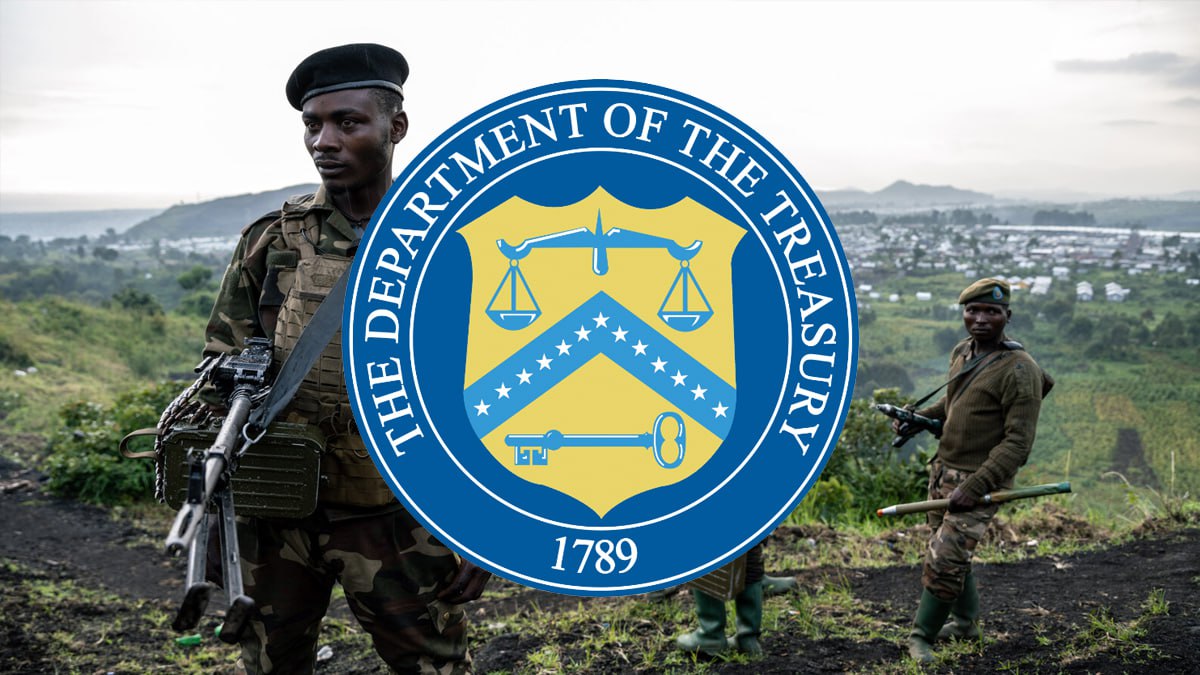
This Monday the United States has imposed sanctions on the Rwanda Defence Forces and four senior officers, on accusations that Rwanda is “violating the Washington peace deal”. This is scarcely believable!
First off, the US move is unilateral and deeply unfair, especially coming from a country that still seen as one of the few actors capable of helping end the conflict in eastern DRC.
Sanctioning RDF officers who have spent years defending their country’s security is difficult to understand, particularly when the broader realities of the region are well known.
Rwanda have long confronted the intentions to topple Rwandan leadership from Tshisekedi regime and its allies. Kinshasa has tolerated and even collaborated with the FDLR, a militia formed by criminals responsible for the 1994 Genocide against the Tutsi.
This is not a minor issue to ignore. The FDLR remains a central security concern for Rwanda and for many communities in the region.
At the same time, the Tshisekedi regime has built alliances that further complicate the situation. The regime of Ndayishimiye in Burundi has openly aligned itself with Kinshasa, and both have coordinated military actions that have left more Congolese Tutsi and Banyamulenge communities killed.
This alliance formed part of a wider regional struggle that continues to destabilize eastern DRC.
What makes the American sanctions particularly puzzling is that Washington itself has openly recognized the danger posed by the FDLR. In late January, the House Foreign Affairs Subcommittee on Africa stated clearly that the FDLR remains a legitimate threat and that neutralizing it is essential for regional security.
That acknowledgment now sits awkwardly beside sanctions directed at Rwanda’s military leadership.
It is therefore regrettable that the United States appears to have ignored these facts and instead chosen to punish the very forces that see themselves as defending against that threat.
More importantly, these sanctions will not help resolve the crisis. They will not stop the repeated ceasefire violations done by the Tshisekedi coalition. They will not end the violence and crimes against humanity that the Congolese regime is inflicting on the country’s Tutsi communities and citizens.
What they may do instead is encourage Kinshasa to continue tolerating or supporting the FDLR.
At the end of the day the United States has eroded its credibility as a fair mediator in the conflict in eastern DRC. Yet at this critical moment, fairness and careful scrutiny of the situation are more necessary than ever.
If peace is truly the goal, then decisions must reflect the full complexity of the crisis rather than punish one side while ignoring the threats that continue to fuel the conflict.
 ellenkampire