
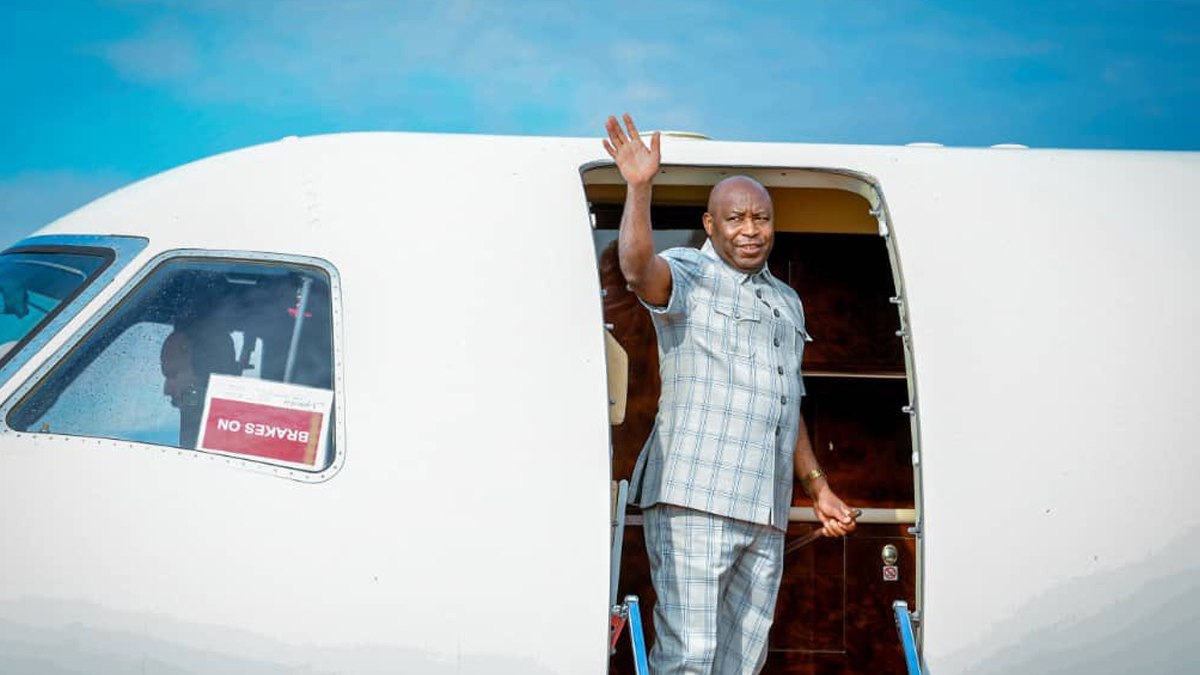
As Rwanda and the DRC prepare to sign a long-awaited peace agreement in Washington DC, one unexpected presence has raised eyebrows: Burundian ruler Évariste Ndayishimiye.
For a leader who has often been associated with regional tensions rather than solutions, his eagerness to attend the ceremony has sparked debate about his intentions and his role, or lack thereof, in the peace process.
The man lobbied hard, with the support of his ally and fellow trouble maker, Congolese ruler Felix Tshisekedi, to be present at the White House ceremony. It would mark his first time in the Oval Office (the US Presidential work space), an “achievement” Ndayishimiye is particularly enthusiastic about! But what exactly will he contribute to the event?
Ndayishimiye aka Gen. Neva had no formal involvement in negotiating the peace deal, nor was he directly consulted during its drafting. It raises the question: is he attending as a meaningful stakeholder, or merely for a photo op?
Anyway, the fellow’s presence should raise eyebrows given his (criminal) actions in eastern DRC.
In 2023, during a visit to Kinshasa at Tshisekedi’s invitation, Ndayishimiye delivered inflammatory rhetoric to Congolese youth. In a remark that echoed Tshisekedi’s own hostile statements toward Rwanda, he said he wanted “to help Rwandan youth to topple Rwanda’s leadership.”
Today, Burundi’s involvement in South Kivu remains deeply unwelcome, for civilian communities. Over 12,000 Burundian forces and aligned Imbonerakure militias are operating alongside elements of the Congolese army (FARDC), the genocidal FDLR, and Wazalendo militias, perpetrating ethnic cleansing amidst all sorts of crimes against humanity targeting Congolese Tutsi communities in Uvira, in South Kivu.
Hundreds of high-ranking FDLR have been relocated to Burundi, where they are coordinating attacks against the Banyamulenge in collaboration with FARDC.
The use of Burundi as a logistical and military staging point, including airports and border zones, is heavily contributing to instability in South Kivu.
Witnesses in Minembwe describe recent incidents where Banyamulenge residents were turned back from markets by Burundian troops operating inside Congolese territory, in very aggressive, hostile manner.
All this makes Ndayishimiye’s sudden interest in attending a peace-signing event in Washington very suspicious. How can a leader accused of fueling conflict at home and across borders present himself as a supporter of peace on the global stage? What message does his presence send to the communities directly affected by ongoing violence?
Maybe someone ought to take him to task for all this.
 ellenkampire