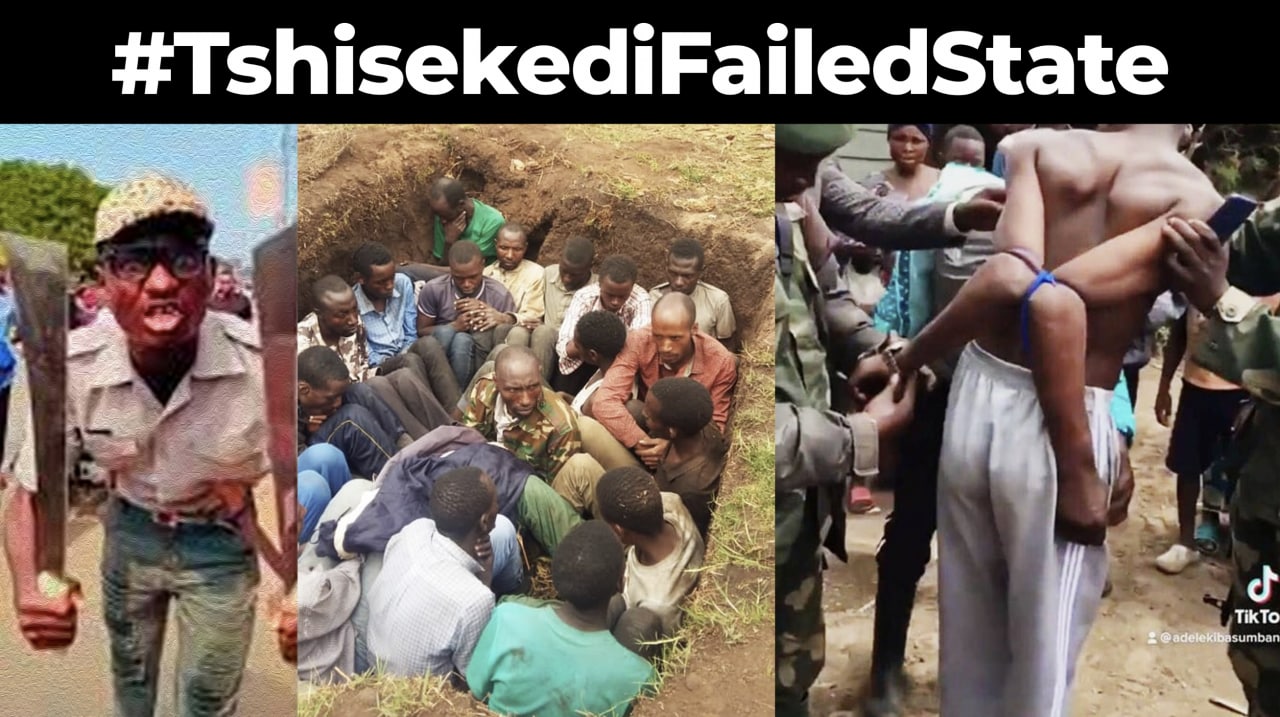
In recent times, Congolese ruler Tshisekedi has unreservedly embraced tribalism and xenophobia, employing these divisive tactics to sow discord within the region. His strategy revolves around unfounded allegations, particularly the baseless portrayal of the M23 Congolese mutineers as an external military faction, falsely insinuating their collaboration with Rwanda in a supposed plot to “Balkanize the DRC.”
This divisive rhetoric has not only become a favored approach for those in power in Kinshasa, especially during periods of waning popularity but has also led to the proliferation of bizarre conspiracy theories, some of which attribute all of the Congo’s troubles to Rwanda.
To begin with, the M23 is not a foreign entity; rather, it originated from dissatisfied members of the regular Congolese army who, in response to their grievances against the Kabila regime, initiated a mutiny. Secondly, when we explore the body of work dedicated to understanding armed conflicts, it universally acknowledges that a rebellion can be deemed just if its goals include rectifying injustices, safeguarding violated or denied rights, resisting oppression, engaging in self-defense, or repelling aggression.
The M23 Congolese mutineers firmly assert that their struggle aligns with these legally just principles. They champion two fundamental causes that validate the justness of their struggle: firstly, the repatriation of approximately 75,000 Congolese refugees currently residing in neighboring nations such as Uganda, Rwanda, Tanzania, and Kenya, back to their homeland. Secondly, their mission encompasses the pacification of the eastern provinces within the DRC. These regions have been marred by the presence of an astounding 266 illegal armed groups, a significant number of which have sprung from politicians and they are allies of the Congolese Armed Forces (FARDC).
Instead of acknowledging the undeniable realities that have driven his fellow Congolese to take up arms in defense of their rights, Tshisekedi unjustly characterizes their cause and the methods they employ as acts of “Rwanda aggression” and “terrorism.” However, the true nature of the M23 contradicts Tshisekedi’s portrayal, a fact that both regional nations and the African Union acknowledge. They perceive the M23 as an indigenous Congolese rebel movement actively seeking a just and peaceful resolution through frameworks like the Nairobi and Luanda peace processes.
However, Tshisekedi’s divisive use of xenophobia and tribalism against his own compatriots undermines this critical peace initiative. There remains an opportunity for him to change course, working towards the betterment of his own people and the long-sought peace that has eluded the Congo for far too long.
 ellenkampire